
Waterfront property offers beautiful views and direct access to the water. However, the shoreline can face erosion, wave activity, changing water levels, and storm damage. A properly designed seawall can help protect the land behind it and support a more stable shoreline.
Custom Dock & Davit provides professional seawall solutions in Southwest Florida. Each project requires careful planning based on the property’s shoreline, soil conditions, water movement, and structural needs.
Understanding how seawalls work, when they need attention, and which permits may apply can help property owners make informed decisions. This guide explains the main considerations for seawalls in Southwest Florida, including common questions about seawalls in Florida and permit requirements.
What Is a Seawall?
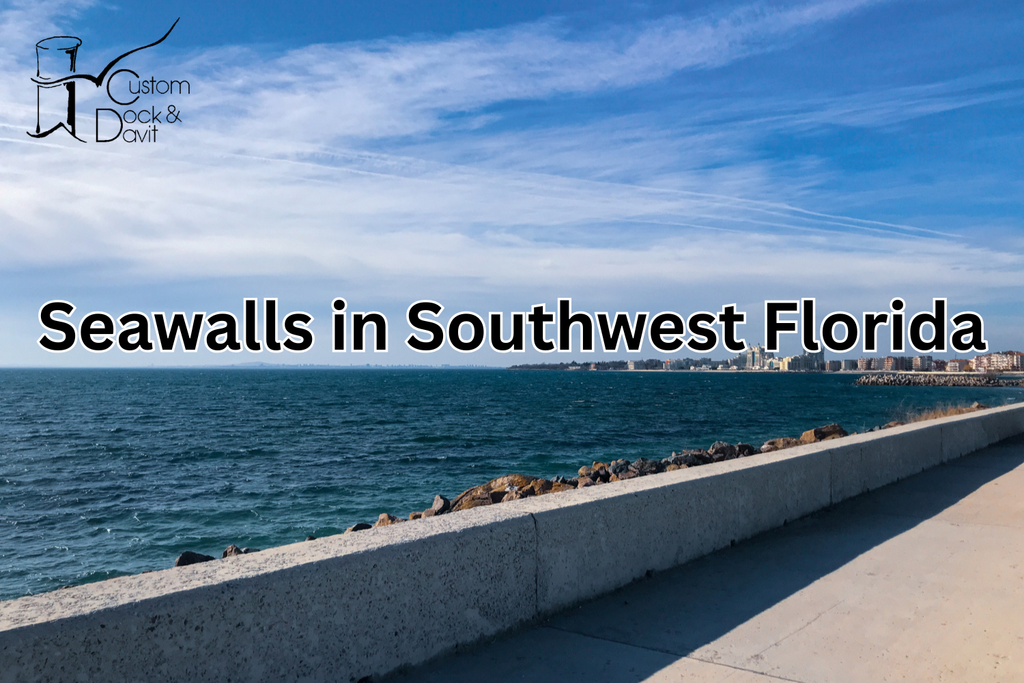
A seawall is a protective structure built along a shoreline to help separate the water from the land. It can help reduce erosion and support the ground behind the structure.
Water movement can gradually remove soil from the shoreline. Waves, storms, and changing water levels may also place stress on the structure. A properly planned seawall helps manage these conditions.
However, a seawall must suit the property’s specific needs. Its performance depends on the design, construction, materials, and conditions around the shoreline.
Are There Seawalls in Florida?
Yes, seawalls are found throughout Florida, including along many waterfront properties in Southwest Florida. They are used in suitable locations to help protect shorelines from erosion and support the land behind them.
The need for a seawall depends on the property’s location and waterfront conditions. Some shorelines face regular wave activity, while others experience different levels of water movement and erosion.
A seawall may be considered when a property owner needs to:
- Help reduce shoreline erosion.
- Protect the land behind the shoreline.
- Create a stable boundary between land and water.
- Address deterioration along an existing protected shoreline.
- Support the long-term use of a waterfront property.
However, not every shoreline requires the same type of protection. Environmental conditions, local requirements, and the property’s layout should guide the decision.
Why Seawalls Matter in Southwest Florida
Waterfront properties in Southwest Florida experience changing water levels, wave action, moisture, and severe weather. Over time, these conditions can affect both the shoreline and the structure protecting it.
A properly designed seawall can help manage shoreline erosion and support the ground behind it. It can also provide a more stable edge along a waterfront property.
The effectiveness of a seawall depends on several factors, including soil conditions, water movement, structural design, and construction quality.
For this reason, property owners should consider the condition of the entire shoreline rather than focusing only on the visible wall.
Signs Your Seawall May Need Attention
Regular observation can help property owners notice changes before they become more serious. Some problems may be visible on the wall, while others appear in the surrounding ground.
Cracks in the Seawall
Cracks may indicate wear, movement, or other structural concerns. Small cracks do not always mean the seawall has failed. However, new or growing cracks should be evaluated.
Leaning or Shifting
A seawall that appears to lean, move, or change alignment may have a stability problem. These changes should not be ignored.
Soil Loss Behind the Wall
Missing soil or depressions behind a seawall may indicate erosion. Water could be moving through or beneath parts of the structure.
Gaps Between Sections
Gaps or separation between structural components may signal deterioration or movement. A professional evaluation can help identify the cause.
Changes After Severe Weather
Storms and strong water movement can place extra stress on a seawall. After severe weather, look for visible changes in the wall and the surrounding ground.
If you notice these warning signs, arrange an assessment to understand the condition of the structure and determine the next steps.
What Causes Seawall Damage?
Seawalls remain exposed to water and weather throughout their service life. Several factors can affect their condition.
Wave action: Repeated waves can place pressure on the wall and surrounding soil.
Storm conditions: Strong winds, waves, and changing water levels can expose existing weaknesses or cause new damage.
Soil movement: Changes in the ground behind or beneath the structure may affect its stability.
Continuous moisture: Long-term exposure to water can contribute to the wear of certain materials and components.
Age and deterioration: Older seawalls may develop cracks, weakened connections, or other signs of wear.
Understanding the cause of damage is important. The right response depends on the condition of the structure and the factors affecting it.
Do You Need a Permit for a Seawall in Florida?
In many cases, seawall construction, replacement, reconstruction, or significant repair requires regulatory review and may require permits. However, requirements depend on the project, the property’s location, and the type of work being performed.
Florida’s permitting rules can involve the Florida Department of Environmental Protection (FDEP), the applicable water management district, and other authorities. Certain projects may qualify for specific exemptions, but property owners should confirm eligibility before beginning work. Florida Statutes, Section 161.041 explains coastal construction permit requirements, including provisions that may apply to seawalls. FDEP Environmental Resource Permitting provides information about regulated construction and environmental resource permits.
What Can Affect Seawall Permit Requirements?
Several factors can determine which approvals apply to a seawall project.
Project type: Building a new seawall may involve different requirements from repairing an existing structure.
Property location: The applicable rules may depend on the waterway, shoreline, and responsible regulatory authority.
Environmental conditions: Wetlands, submerged lands, and nearby natural resources can affect the review process.
Project design: The proposed location, structure, and extent of work may influence the permits or authorizations required.
Existing approvals: Previous permits and the documented status of the structure may be relevant when planning repairs or replacement.
Because these factors vary, property owners should not assume that an existing seawall can be replaced or altered without approval.
How to Prepare for a Seawall Project
Before starting construction or major repairs, take the following steps:
- Evaluate the shoreline. Review the condition of the seawall and the surrounding ground.
- Define the proposed work. Establish whether the project involves new construction, repair, restoration, or replacement.
- Confirm the applicable requirements. Contact the relevant regulatory authority to determine which permits or exemptions apply.
- Prepare the required information. Plans, site details, and other supporting documents may be needed.
- Obtain the necessary approvals. Confirm that the required authorizations are in place before work begins.
Early planning can help reduce delays and prevent problems caused by incomplete applications or incorrect assumptions.
What Should You Consider Before Building a Seawall?
Every waterfront property has different conditions. Careful planning helps ensure that a seawall suits the shoreline and its intended purpose.
Shoreline Conditions
The shape and condition of the shoreline affect how a seawall should be planned. Existing erosion and ground conditions also need attention.
Water Depth and Movement
Water depth, wave action, and changing water levels can influence the design. The structure should account for the conditions it will experience.
Soil Conditions
The ground behind and beneath the seawall plays an important role in stability. Understanding the soil helps inform the design and construction approach.
Material Selection
Materials should be suitable for continued exposure to water and weather. The appropriate choice depends on the site, structural needs, and intended design.
Long-Term Performance
A seawall should be planned with its expected service life and maintenance needs in mind. Good design and construction can support long-term performance, but regular observation remains important.
Seawall Maintenance in Southwest Florida
Routine observation can help property owners identify potential concerns early. Even a seawall that appears sound should be checked for changes over time.
Consider these maintenance practices:
- Look for new cracks or changes in existing cracks.
- Check for soil loss or depressions behind the wall.
- Observe whether the wall appears to lean or shift.
- Look for gaps between visible structural sections.
- Inspect the surrounding shoreline after severe weather.
- Arrange a professional evaluation if you notice unusual changes.
Avoid treating visible damage as a cosmetic issue without understanding its cause. Some problems may affect the stability of the wall or the ground behind it.
Seawall Repair or Replacement: How Do You Decide?
Not every damaged seawall needs complete replacement. The right approach depends on the cause of the problem, the extent of deterioration, and the structure’s overall condition.
A professional assessment can help determine whether the existing seawall may be suitable for repair or whether a more extensive solution should be considered.
The assessment should consider the visible condition of the wall, changes in the surrounding ground, signs of water movement, and any structural concerns.
Applicable permits and environmental requirements should also be confirmed before work begins. Planning the work around these factors helps property owners make informed decisions about their shoreline.
Why Professional Seawall Evaluation Matters
Some seawall problems are difficult to identify through a visual check alone. Damage may develop behind the wall or beneath the surrounding ground.
A professional evaluation can help identify potential concerns and clarify what work may be appropriate. It can also help property owners understand the condition of an existing seawall before planning major work.
Custom Dock & Davit brings marine construction experience to seawall projects in Southwest Florida. Careful attention to shoreline conditions, structural needs, and project requirements helps guide the planning process.
Choose Custom Dock & Davit for Seawalls in Southwest Florida
Protecting a waterfront property starts with understanding the shoreline and the conditions affecting it. A properly planned seawall can help reduce erosion and support the land behind the structure.
Custom Dock & Davit provides seawall solutions in Southwest Florida based on the needs of individual waterfront properties. From evaluating existing conditions to planning new work, attention to the site and applicable requirements is essential.
If you have concerns about cracks, soil loss, movement, or other changes in your seawall, consider arranging a professional evaluation. Early attention can help you understand the structure’s condition and determine the appropriate next steps.
Frequently Asked Questions
Are seawalls common in Florida?
Yes. Seawalls are present along many waterfront properties in Florida. Their suitability depends on shoreline conditions, environmental factors, and applicable regulations.
Do you need a permit to build a seawall in Florida?
A seawall project may require permits or other authorizations. Requirements depend on the location, project type, design, and applicable exemptions. Confirm the rules with the relevant authority before starting work.
What are the signs that a seawall needs repair?
Warning signs include cracks, leaning, gaps, soil loss, and changes in alignment. A professional evaluation can help determine the cause and the appropriate response.
How can I help maintain my seawall?
Check the wall and surrounding ground regularly for visible changes. Pay particular attention after severe weather, and arrange a professional assessment if you notice damage or movement.
Can every waterfront property have a seawall?
No. The suitability of a seawall depends on the property’s conditions and applicable environmental and permitting requirements. A site-specific assessment can help determine which shoreline protection options may be appropriate.
Final Thoughts
Seawalls play an important role in protecting many waterfront properties in Southwest Florida. Their performance depends on proper planning, suitable construction, and attention to changing shoreline conditions.
Understanding warning signs and checking permit requirements before construction can help property owners make informed decisions. When concerns arise, a professional evaluation can clarify the condition of the structure and the next steps to consider.
Custom Dock & Davit focuses on seawall solutions suited to the needs of waterfront properties in Southwest Florida.