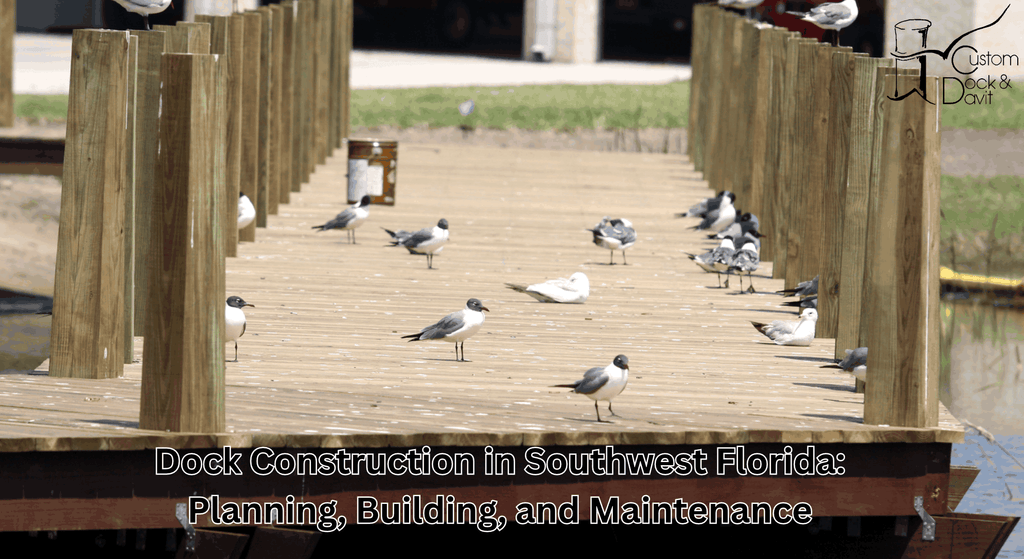
A well-built dock makes it easier to enjoy waterfront property. It provides a safe place to access the water, board a boat, and spend time near the shoreline. However, dock construction requires careful planning, suitable materials, and proper installation.
In Southwest Florida, docks face changing water levels, strong sunlight, moisture, waves, and seasonal storms. These conditions can affect the structure over time. Therefore, choosing the right design and building methods is important for long-term performance.
Custom Dock & Davit has been serving Southwest Florida since 1980. With experience in marine construction, the company understands the importance of building docks that suit waterfront conditions and property needs.
What Is Dock Construction?
Dock construction is the process of planning and building a structure that extends from the shoreline over the water. A dock provides access to boats and creates a stable area for waterfront activities.
The construction process may include:
- Evaluating the waterfront property
- Measuring the shoreline and water depth
- Selecting suitable dock materials
- Planning the dock size and layout
- Preparing the site
- Installing pilings and structural supports
- Building the dock frame and walking surface
- Inspecting the completed structure
Each step helps create a dock that is safe, stable, and suitable for its intended use.
Why Proper Dock Construction Matters in Southwest Florida
Southwest Florida has unique waterfront conditions. Sunlight, moisture, saltwater exposure, waves, and storms can affect dock materials and structural components.
A poorly planned dock may develop problems sooner than expected. For example, weak supports can affect stability, while unsuitable materials may deteriorate with regular water exposure.
Proper dock construction helps:
- Provide safe access to the water
- Support regular waterfront activities
- Improve the use of available shoreline space
- Reduce problems caused by poor installation
- Improve long-term structural performance
- Create a functional and attractive waterfront area
A well-planned dock also helps property owners make better use of their waterfront space.
Planning a Dock Construction Project
Good planning is the first step toward a successful dock project. Before construction begins, the property and surrounding water conditions should be evaluated.
1. Evaluate the Waterfront Property
Every waterfront property has different conditions. The shoreline, water depth, soil, and available space can affect the dock design.
A site evaluation helps identify possible construction challenges. It also helps determine where the dock should be placed.
2. Determine the Dock Size and Layout
The dock should match the property owner’s needs. Some owners need a simple structure for water access, while others may require more space for regular waterfront activities.
Consider the following:
- Available shoreline space
- Water depth
- Intended dock use
- Boat access requirements
- Walking and working space
- Safe movement around the structure
A suitable layout makes the dock easier to use and maintain.
3. Select Suitable Materials
Material selection is important because docks remain exposed to water, sunlight, and changing weather.
The right materials should match the site conditions and expected use. They should also provide suitable strength, durability, and maintenance requirements.
4. Consider Future Maintenance
A dock should be designed with long-term care in mind. Easy access to important structural components can make inspections and maintenance more manageable.
Planning for maintenance early may help reduce avoidable problems later.
Common Materials Used in Dock Construction
Dock materials affect strength, appearance, maintenance, and long-term performance. The best option depends on the property, water conditions, and project requirements.
Wood
Wood is a traditional choice for dock construction. It offers a natural appearance and can be used for different dock designs.
However, wood needs regular inspection and care. Moisture, sunlight, and marine exposure can affect its condition over time.
Composite Decking
Composite decking combines different materials to create a surface designed for outdoor use.
It is available in several styles and colors. It may also require less routine surface maintenance than traditional wood. However, the product should be selected based on its suitability for waterfront conditions.
Concrete
Concrete may be used in certain dock construction projects where the design and site conditions support it.
It offers a solid surface, but proper planning and installation are essential. The structure must account for water exposure and other environmental factors.
Metal Components
Metal components may be used for framing, fasteners, and structural connections.
Since docks are exposed to moisture and saltwater, corrosion resistance is an important consideration. Suitable materials and protective measures can help support long-term performance.
Important Structural Components of a Dock
A dock needs several connected components to create a stable structure. Each part plays an important role in supporting the dock and making it safe to use.
Pilings
Pilings are vertical supports installed into the ground beneath the water. They help hold the dock in position and provide structural support.
Their placement and installation depend on water depth, soil conditions, dock design, and expected loads.
Framing
The dock frame connects the main structural components. It supports the walking surface and helps distribute weight across the structure.
Strong connections and proper installation are important for stability.
Decking
Decking forms the surface people walk on. It should provide a suitable walking area and withstand regular outdoor exposure.
The surface should also be checked for loose boards, damage, and other safety concerns.
Fasteners and Connections
Fasteners connect different parts of the dock. They may include bolts, screws, brackets, and other hardware.
Corrosion-resistant hardware is important in marine environments. Loose or damaged connections should be addressed during maintenance.
The Dock Construction Process
Dock construction involves several stages. Each stage should be completed carefully to support the quality and safety of the finished structure.
Step 1: Site Inspection
The construction team evaluates the shoreline, water depth, soil conditions, and available space.
This information helps determine whether the planned design is suitable for the property.
Step 2: Design and Planning
The dock layout is prepared based on the site evaluation and the owner’s needs.
The design should account for structural support, water conditions, access, and applicable requirements.
Step 3: Material Selection
Suitable materials are selected for the dock’s frame, supports, decking, and connections.
The selection should consider durability, environmental exposure, and maintenance needs.
Step 4: Permits and Approvals
Dock construction may require permits and approvals before work begins.
The requirements depend on the property, project design, and applicable local, state, and environmental rules. Property owners should confirm the necessary approvals before construction starts.
Step 5: Site Preparation
The work area is prepared for construction. This may include arranging equipment, marking the layout, and preparing access to the site.
Proper preparation helps the construction process move forward safely.
Step 6: Installing Pilings and Supports
Pilings and other structural supports are installed according to the approved design.
Correct placement and installation are important because these components help keep the dock stable.
Step 7: Building the Frame and Decking
Once the main supports are in place, the frame and walking surface are installed.
The construction team checks connections, alignment, and surface conditions as the work progresses.
Step 8: Final Inspection
The completed dock should be checked for stability, secure connections, surface quality, and safe access.
Any issues found during the inspection should be addressed before regular use.
Signs Your Existing Dock Needs Attention
Even a properly built dock needs regular inspection. Water exposure, storms, and everyday use can affect its condition.
Watch for these warning signs:
- Loose or damaged decking boards
- Cracks in structural components
- Rust or corrosion on metal hardware
- Loose or damaged fasteners
- Leaning or unstable pilings
- Uneven walking surfaces
- Movement that feels unusual
- Soft or deteriorating wood
- Visible damage after severe weather
These signs may indicate that the dock needs professional evaluation. Addressing problems early can help prevent further damage and reduce safety risks.
How to Maintain a Dock in Southwest Florida
Regular maintenance helps protect a dock from environmental exposure and everyday wear. A simple inspection routine can help identify problems before they become more serious.
Inspect the Decking
Check the walking surface for loose boards, cracks, splinters, and uneven areas. Replace or repair damaged sections when needed.
Check Pilings and Supports
Look for movement, cracks, deterioration, or signs of damage around the main supports.
Examine Metal Hardware
Inspect bolts, screws, brackets, and other connections for rust or corrosion. Replace damaged hardware with suitable materials.
Clean the Dock Surface
Remove dirt, leaves, algae, and other buildup. A clean surface can help reduce slipping risks and make inspections easier.
Inspect After Storms
Strong winds, waves, and floating debris can damage dock components. After severe weather, check the structure for visible problems before using it again.
Schedule Professional Inspections
Some structural problems may not be easy to identify during a basic visual check. Professional inspections can help assess the condition of important components.
Permits and Regulations for Dock Construction
Dock construction may involve several rules and approval requirements. These can depend on the property’s location, shoreline conditions, dock design, and environmental impact.
Before starting a project, property owners should consider:
- Local building and zoning requirements
- Applicable state regulations
- Environmental restrictions
- Waterway and shoreline requirements
- Approved dock dimensions and placement
- Required construction permits
Some projects may need additional review because of their location or potential impact on nearby water resources.
It is important to confirm the applicable requirements before beginning construction. Proper planning can help prevent delays and avoid compliance issues.
Common Dock Construction Mistakes to Avoid
A dock may develop problems when important planning and construction details are overlooked.
Here are some common mistakes to avoid:
Choosing the Wrong Materials
Not every material is suitable for regular marine exposure. Material selection should match the water conditions and expected use.
Ignoring Water Depth
Water depth affects dock placement, layout, and access. It should be evaluated before the design is finalized.
Poor Structural Support
Incorrect piling placement or weak connections can affect dock stability. Structural components should follow the approved design.
Skipping Permit Requirements
Starting construction without confirming the required approvals may lead to delays or other problems.
Neglecting Maintenance
Even durable materials need regular care. Ignoring small issues can allow damage to spread.
Overlooking Safety
Uneven surfaces, loose boards, and damaged connections can create hazards. Safety should remain a priority during design, construction, and maintenance.
Why Professional Dock Construction Is Important
Dock construction requires knowledge of waterfront conditions, structural support, suitable materials, and applicable regulations.
Professional planning and installation can help property owners avoid common construction problems. It also ensures that important details, such as piling placement, framing, and decking connections, receive proper attention.
Custom Dock & Davit has served Southwest Florida since 1980. The company brings marine construction experience to dock projects and understands the importance of building structures that suit local waterfront conditions.
Working with an experienced marine construction team can help property owners move from planning to a completed dock with greater confidence.
Frequently Asked Questions About Dock Construction in Southwest Florida
How long does dock construction take?
The construction timeline depends on the dock’s size, design, materials, site conditions, and permit requirements. Weather and site access can also affect the schedule.
What materials are best for dock construction?
The right materials depend on the property’s water conditions, intended use, and maintenance needs. Wood, composite decking, concrete, and corrosion-resistant metal components may be suitable for different parts of a dock.
Do I need a permit to build a dock in Southwest Florida?
Dock construction may require local, state, or environmental permits. Requirements depend on the property and project design. Check with the relevant authorities before beginning construction.
How do I know if my dock needs repair?
Look for loose boards, cracks, rust, leaning pilings, unstable sections, and damaged connections. If you notice these signs, arrange a professional inspection.
How often should a dock be inspected?
A dock should receive regular visual checks throughout the year. It should also be inspected after severe weather or when you notice changes in its condition. Professional inspections may help identify hidden structural problems.
What should I consider before building a dock?
Consider the shoreline, water depth, available space, intended use, material selection, structural support, maintenance needs, and permit requirements.
Can an existing dock be upgraded?
An existing dock may be suitable for improvements, depending on its structural condition and the project requirements. A professional evaluation can help determine which changes are appropriate.
Build a Dock That Suits Your Waterfront Property
A successful dock construction project starts with careful planning and continues with suitable materials, proper installation, and regular maintenance. In Southwest Florida, these steps are especially important because docks face ongoing exposure to water, sunlight, and changing weather.
Custom Dock & Davit brings marine construction experience dating back to 1980. Whether you are planning a new dock or evaluating an existing structure, the right professional guidance can help you make informed decisions about your waterfront property.